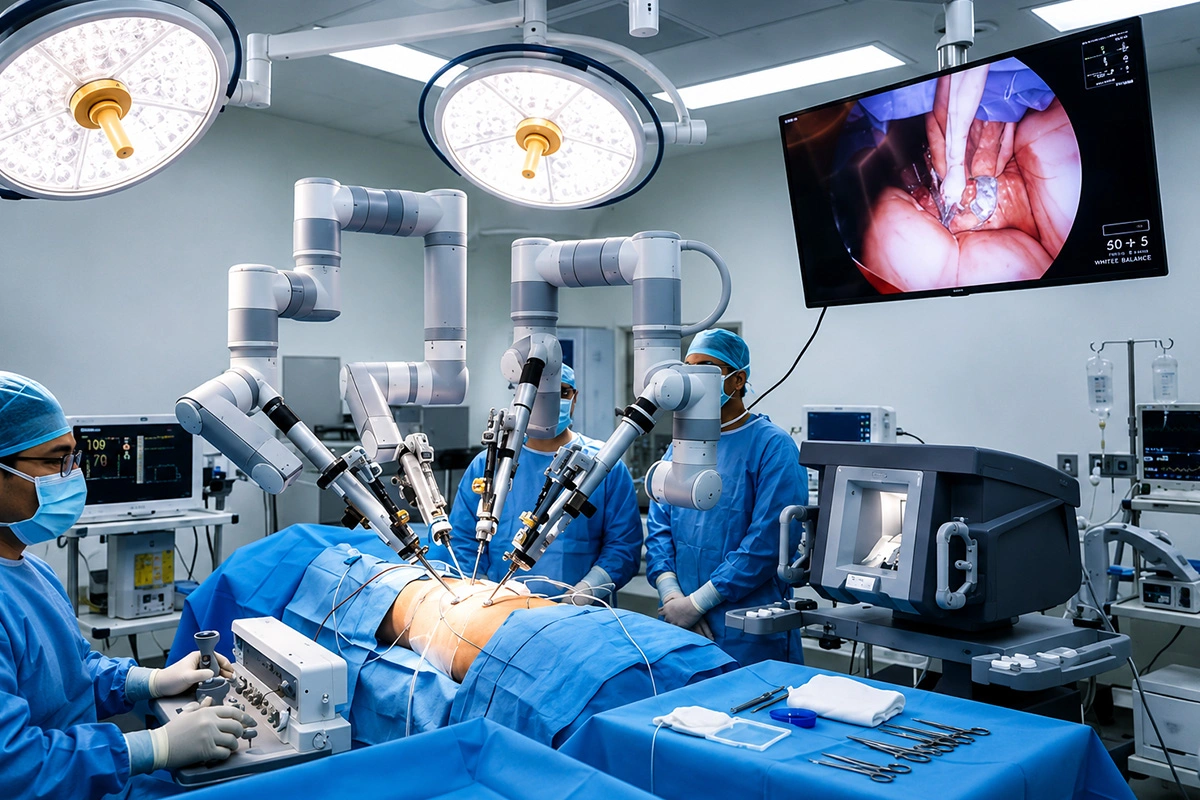
If you need hernia surgery in Gurgaon and are looking for a minimally invasive option, robotic hernia surgery offers advanced precision through small incisions. This technique helps reduce pain, scarring, and recovery time while ensuring effective hernia repair. Patients often benefit from shorter hospital stays and a quicker return to normal activities compared to traditional surgery.
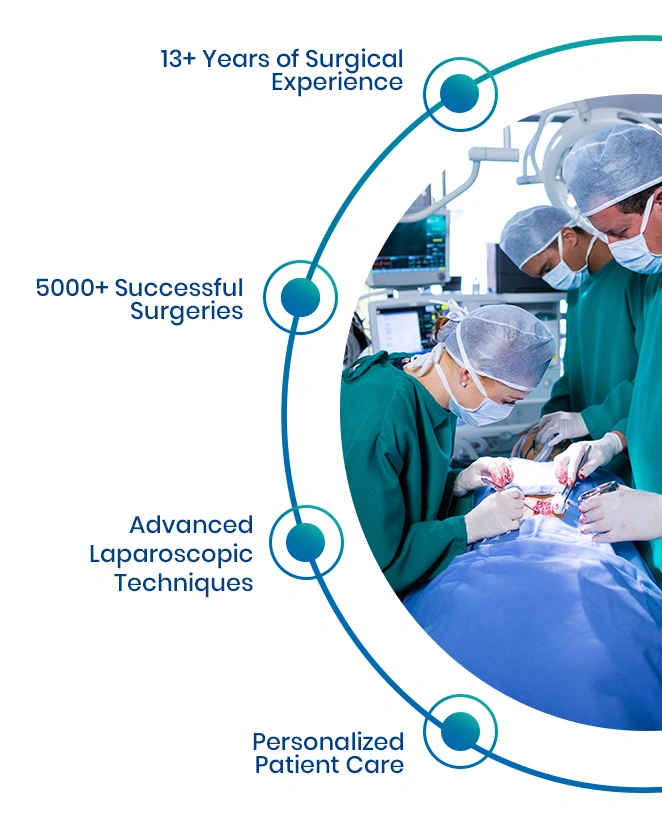
Dr. Rajesh has been performing laparoscopic and gastrointestinal procedures for 13 years. He repairs all types of hernias, including, but not limited to, inguinal, incisional, recurrent and complex hernias.
Beyond surgery of hiatal hernia and GERD, Dr. Rajesh provides metabolic and bariatric services, as well as laser therapy for fissures, fistulas, piles, and other advanced gastrointestinal conditions. He has performed thousands of laparoscopic procedures and possesses surgical skills of superior quality.
Dr. Rajesh treats many patients and plans, executes, and produces outcomes that are safe, effective, and durable. He participates in ongoing academic activities and is an active presenter of papers and lectures in medical congresses held both nationally and internationally.
Learn More About Doctor
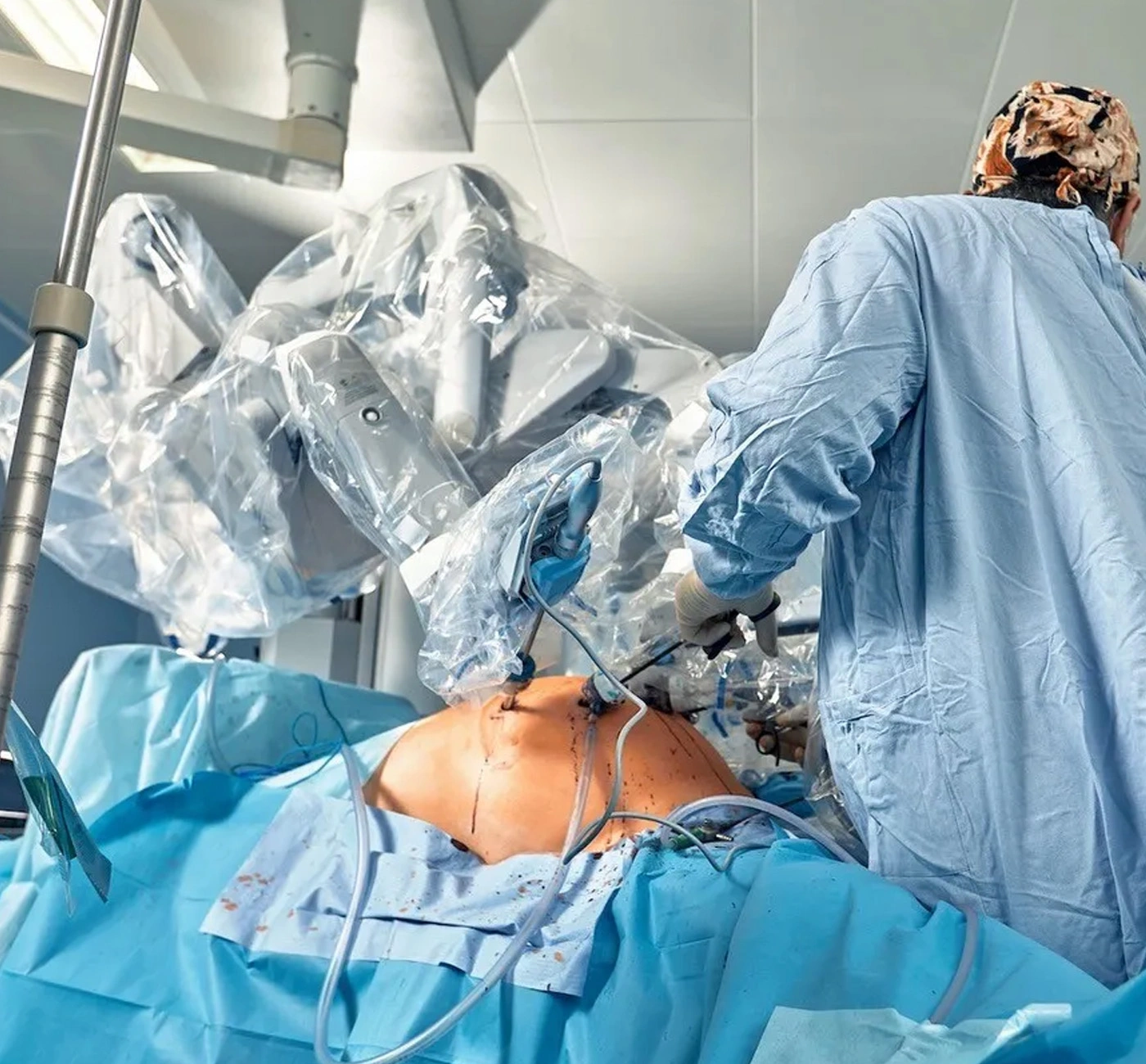

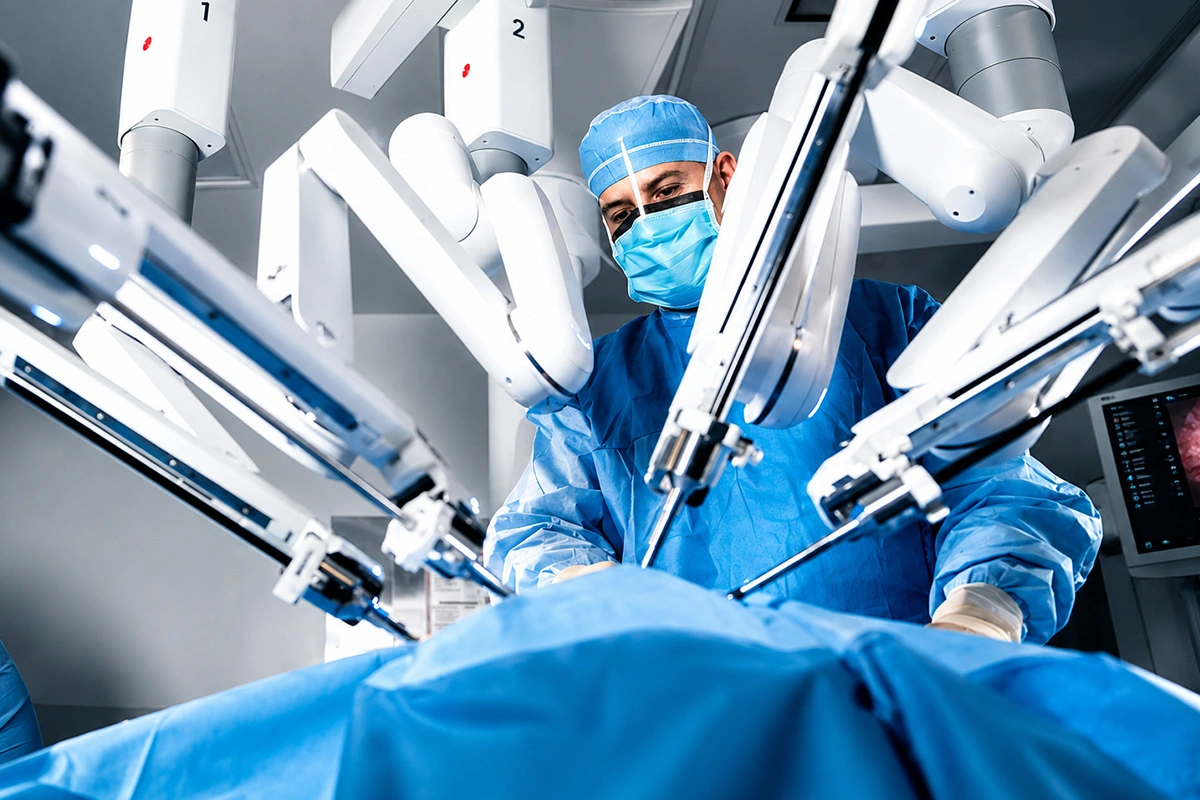
Robotic hernia surgery serves as a minimally invasive approach to restoring abdominal muscles suffered damage from hernia development. The surgical team operates robotic tools from a console, which provides them with accurate control of movements and improved visual access to the surgical site.
The surgical team makes small incisions to introduce robotic arms and a high-definition camera, which they use to perform precise hernia repairs that require mesh support.
The procedure of robotic hernia surgery provides patients with multiple benefits because it results in less pain, reduced blood loss, minimal scarring, shorter hospital stays, and faster recovery times.
Book ConsultationLumps or swelling can happen in the abdomen or groin. This happens more so while standing or moving (lifting heavy stuff). While resting, the bulge should go down.
Pain and discomfort can happen when bending, exercising or standing. As these symptoms go untreated, they worsen and make moving increasingly uncomfortable.
This can occur and make people feel uncomfortable and weak along with a burning sensation in the affected area. Daily activities become more difficult and painful.
This can happen and cause vomiting and even a blockage, which can become dangerous and may require urgent surgical treatment.
Robotic hernia surgery is typically recommended when pain or discomfort from a hernia becomes chronic or when the hernia begins to affect day-to-day activities.
This may also be recommended for large, complicated, bilateral, or recurrent hernias. This is especially important for patients with increasing swelling and/or difficulty in movement and may be caused by a hernia strangulation or obstruction.
Surgery performed with the aid of robots in a minimally invasive manner can provide patients with a much more pleasant experience than that of open surgery and provide a quicker recovery time, less post-surgical pain, smaller scars, and a much lower recurrence rate.
With robotic hernia surgery, smaller, less noticeable cuts are made with less chance of bleeding and an even lower chance of post-operative infections.
With less tissue and skeletal trauma, the post-operative pain level is significantly lower and the actual surgery is made easier due to the robotic technology.
Because the surgery is less invasive and patients are in the hospital a shorter time, people can go back to doing everything they normally do much faster.
Robotic technology plays a huge role in surgery today. For hernia repair, it's even more controlled and cost-effective, resulting in surgery safety with positive long-term outcomes.
The patient receives general anaesthesia before the start of the procedure.
Small incisions are performed around the hernia area.
Robotic instruments and a high-definition camera are placed.
Surgeons guide robotic arms that provide high control and flexibility.
Repair of the hernia using surgical mesh is done.
The incisions are closed by sutures or surgical glue.
Patients recover and are typically discharged quite fast after the procedure, provided recovery is adequate.
Dr. Rajesh is a trusted hernia surgeon who specializes in robotic surgery in Gurgaon. He has more than a decade of experience in minimally invasive surgery and has successfully treated patients with different types of hernias using advanced robotic techniques.
His treatment approach combines surgical expertise with modern robotic technology to help reduce tissue injury, minimize pain, improve precision, and support faster recovery after surgery.
Dr. Rajesh has performed thousands of hernia and gastrointestinal surgeries and is committed to delivering the best possible surgical outcomes through personalized patient care. His expertise in laparoscopic and robotic hernia repair, along with advanced abdominal surgery techniques, makes him a preferred choice for robotic hernia surgery in Gurgaon.Dr. Rajesh’s commitment to modern patient care is shown by his participation in medical research and teaching.
Get answers to common questions about robotic hernia surgery, recovery, safety, cost, and treatment outcomes.
Yes. Robotic hernia surgery is safe, especially when performed by an experienced surgeon. It offers more controlled movements, smaller incisions, lower risk of infection, less pain, and a quicker recovery compared to traditional surgery.
Most patients recover within 1–2 weeks. Recovery time varies depending on the type of hernia, the patient’s overall health, and how well post-surgery instructions are followed.
Robotic surgery provides enhanced precision, improved visualization, and greater flexibility of surgical instruments. It is particularly beneficial for complex or recurrent hernia cases.
Depending on the complexity of the hernia, robotic hernia surgery generally takes between 1 and 3 hours, including preparation and surgical repair.
Yes. In most hernia repair procedures, surgeons use a surgical mesh to strengthen the abdominal wall and reduce the chances of the hernia returning in the future.
Some discomfort is normal after surgery, but robotic hernia surgery is generally less painful because it uses smaller incisions and causes less tissue damage than traditional open surgery.
Although hernia repair has a high success rate, recurrence is still possible. Following your surgeon's advice, maintaining a healthy weight, and avoiding heavy lifting during recovery can help reduce the risk.
The cost of robotic hernia surgery in Gurgaon depends on several factors, including the hospital, surgeon’s experience, type of hernia, surgical mesh used, and duration of hospital stay.
Discover the experiences of patients who trusted Dr. Rajesh for advanced surgical care, minimally invasive procedures, and faster recovery outcomes.
Consult Dr. Rajesh, an experienced robotic hernia surgeon in Gurgaon, and receive advanced treatment with faster recovery, minimal pain, and long-lasting results.