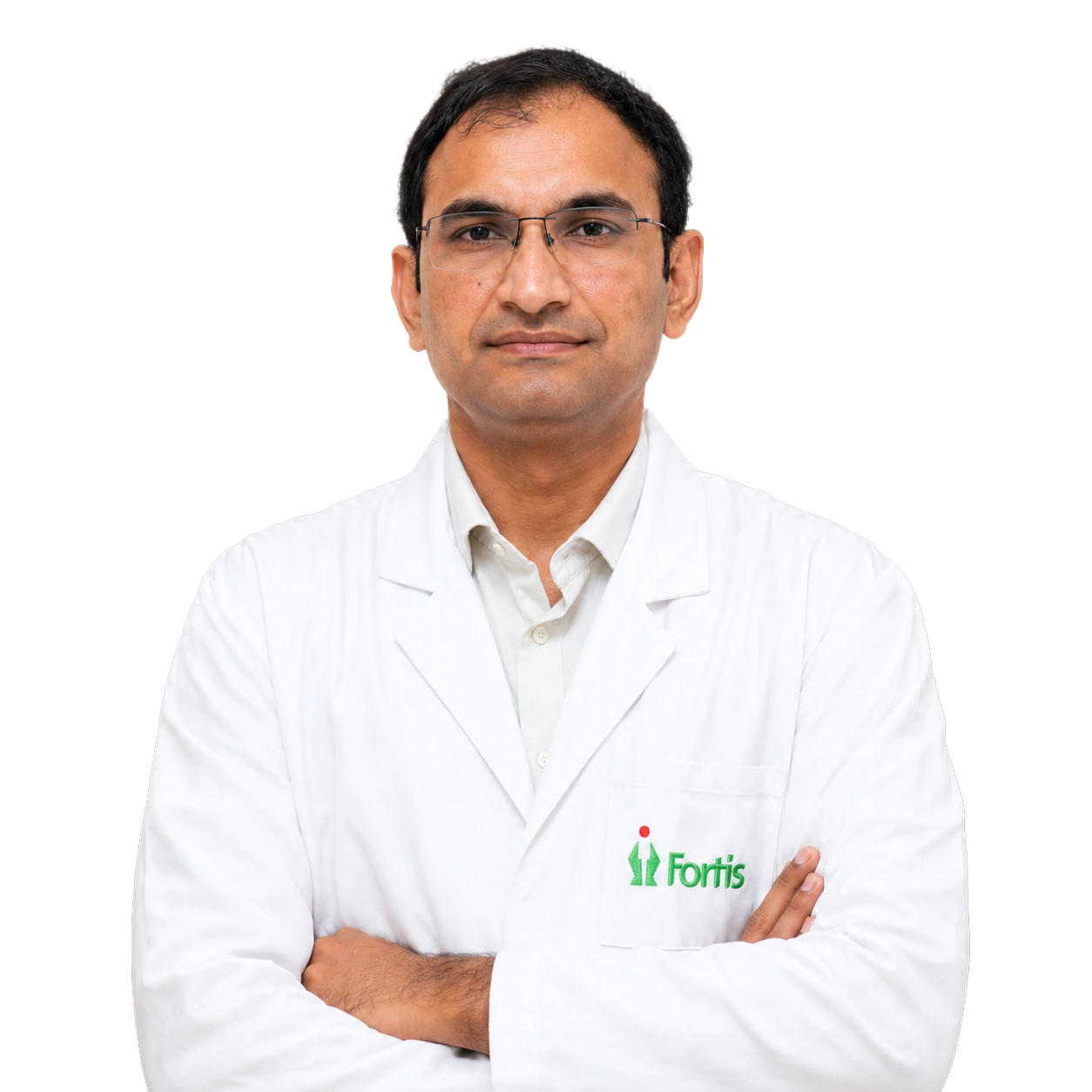
If you are looking for the best robotic fundoplication in Gurgaon, for long-term relief from acid reflux and GERD you might want to meet Dr. Rajesh. He does advanced robotic fundoplication surgery with added precision, less discomfort, smaller scars, and a quicker recovery, not just the routine thing. Robotic-assisted procedures can help in managing long-standing acid reflux as well as hiatus hernia. It also supports smoother digestion and can improve your everyday quality of life.
With more than 13 years of experience, Dr. Rajesh is a leading Advanced Laparoscopic & Robotic Surgeon. Dr. Rajesh specializes in robotic fundoplication surgery and assists patients with GERD, acid reflux and hiatal hernias.
He is especially expert in the repair of hernias and the gall bladder, robotic bariatric surgery, robotic appendectomies, and advanced operations in the digestive tract. He has utilized minimally invasive surgery thousands of times. His surgical procedures and passion for improvement show concern and care for patients. He has a goal of achieving the safest operation possible with the least amount of negative consequences.
He achieves the safest and most effective methods with the least amount of negative outcomes. He also uses surgical methods and performs a lot of presentations and lectures in his discipline, and attends frequent national and international medical congresses.
Learn More About Doctor
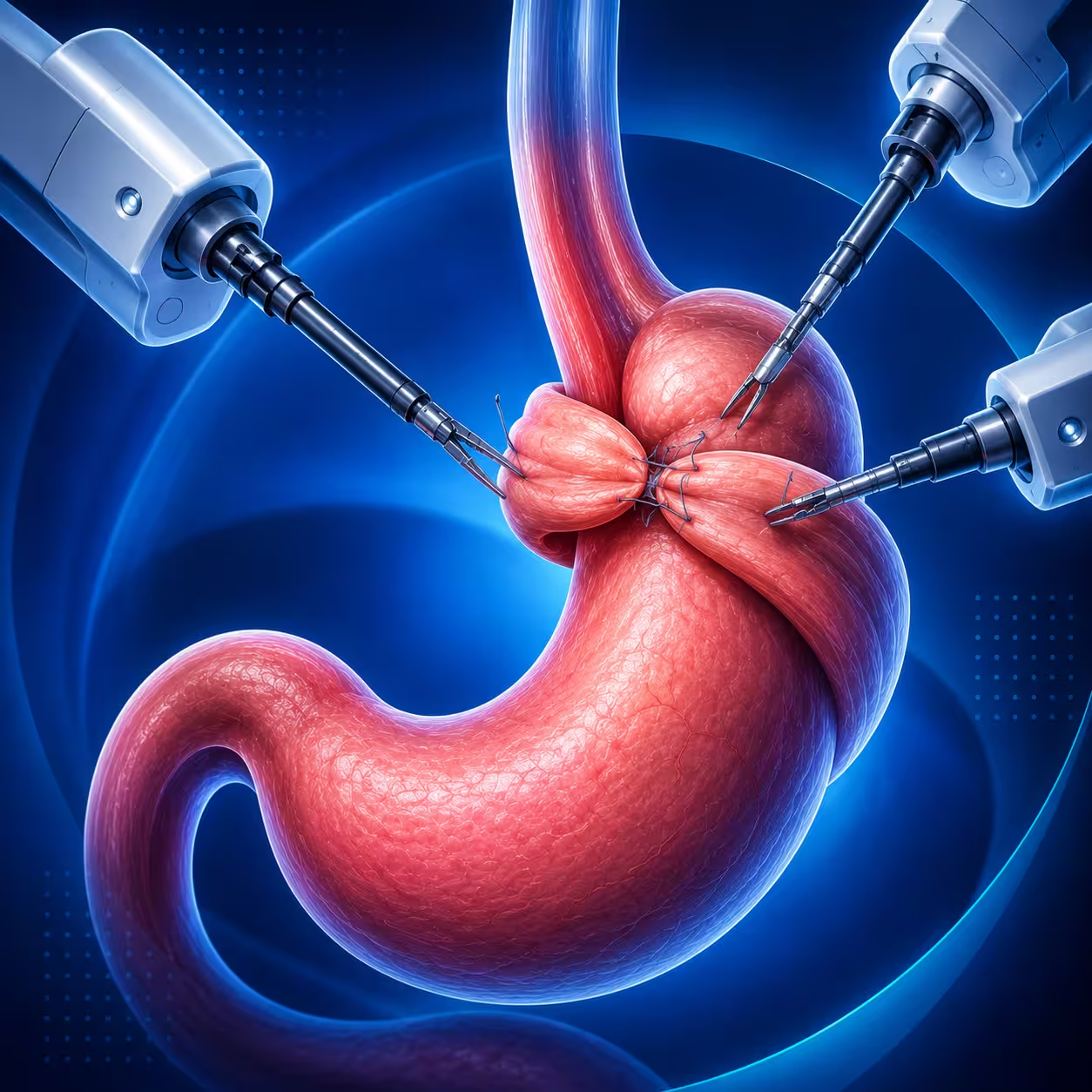
Robotic fundoplication refers to a technologically assisted complete procedure for Pepin and Bravo fundoplication which is a common minimally invasive repair of hiatus hernia as well as management of gastro-esophageal reflux disease.
This procedure involves the fundus (calyx) of the stomach being plicated around the lower portion of the esophagus; this is an attempt to strengthen the stomach-esophageal junction. The aim is to improve the symptoms of gastroesophageal reflux and dysphagia.
Due to the smaller incisions required in this unique form of surgery, pain, scarring as well as time to recovery is event lesser than the other forms of surgical repair of hiatus hernia and gastro-esophageal reflux disease.
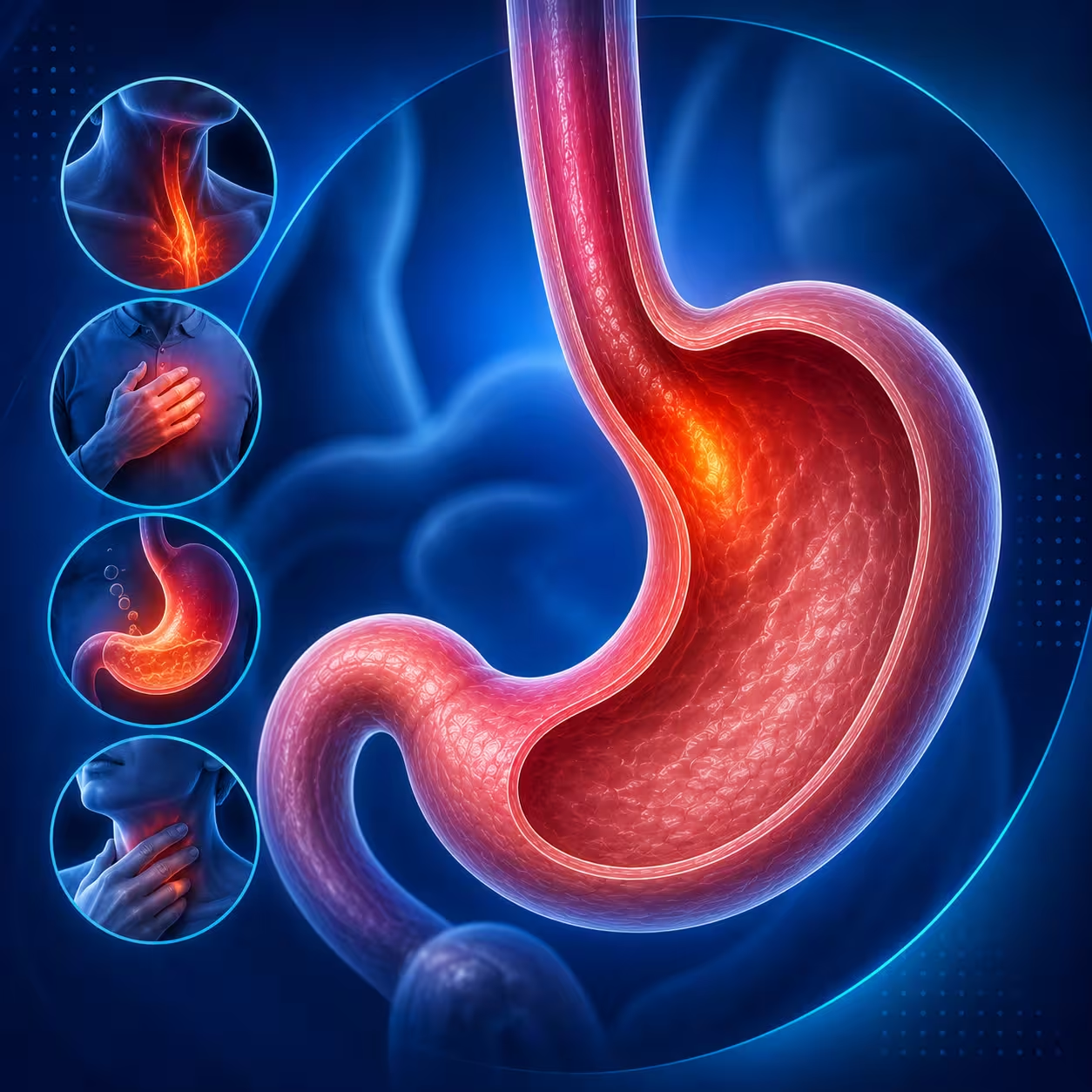
Book ConsultationPatients usually complain about a burning sensation in the chest, a sour, bitter taste in the mouth, and are also likely to experience some reflux postprandial and when supine.
GERD and hiatus hernia can be associated with what patients describe as chest pressure and/or an unpleasant sensation of fullness and heaviness in the chest and upper abdomen.
Several patients experience symptoms of dysphagia, the sensation of food being lodged in the chest, and irritation from reflux with accompanying hernia.
Severe reflux can be associated with a more chronic cough, irritation of the throat, nausea and vomiting and exacerbation of the already existing symptoms of indigestion requiring intervention.
If symptoms of chronic acid reflux and GERD are unresolved by the use of inhibitors and drugs or by making adjustments to lifestyle and diet, robotic fundoplication may be suggested. This also may be the case for a patient with a large hiatus hernia, persistent heartburn, and/or difficulty swallowing and esophagitis, as well as the consequences of long-standing acid reflux.
Patients who have symptoms repeatedly and enough to interfere with their normal day-to-day activities are usually told to consider robotic fundoplication as a means of long-term relief.
From the perspective of the surgeon, robotic surgery is a less invasive method of achieving a high level of accuracy, minimizing pain and scarring and allowing the patient to return to their normal activities of daily living in a short amount of time.
Robotic fundoplication makes smaller incisions and leads to less scarring and blood loss and a decreased chance of infection.
Robotic technology lessens the amount of pain and tissue disruption resultant of surgery and therefore decreases the pain most patients experience post-operatively.
Fundoplication becomes a quicker procedure because the advancements in robotic surgery promote a less invasive procedure and also a shorter length of stay for the patient.
Robotic surgery promotes relief from reflux and/or GERD symptoms as it lessens symptoms and promotes a longer duration of relief when compared to other procedures.
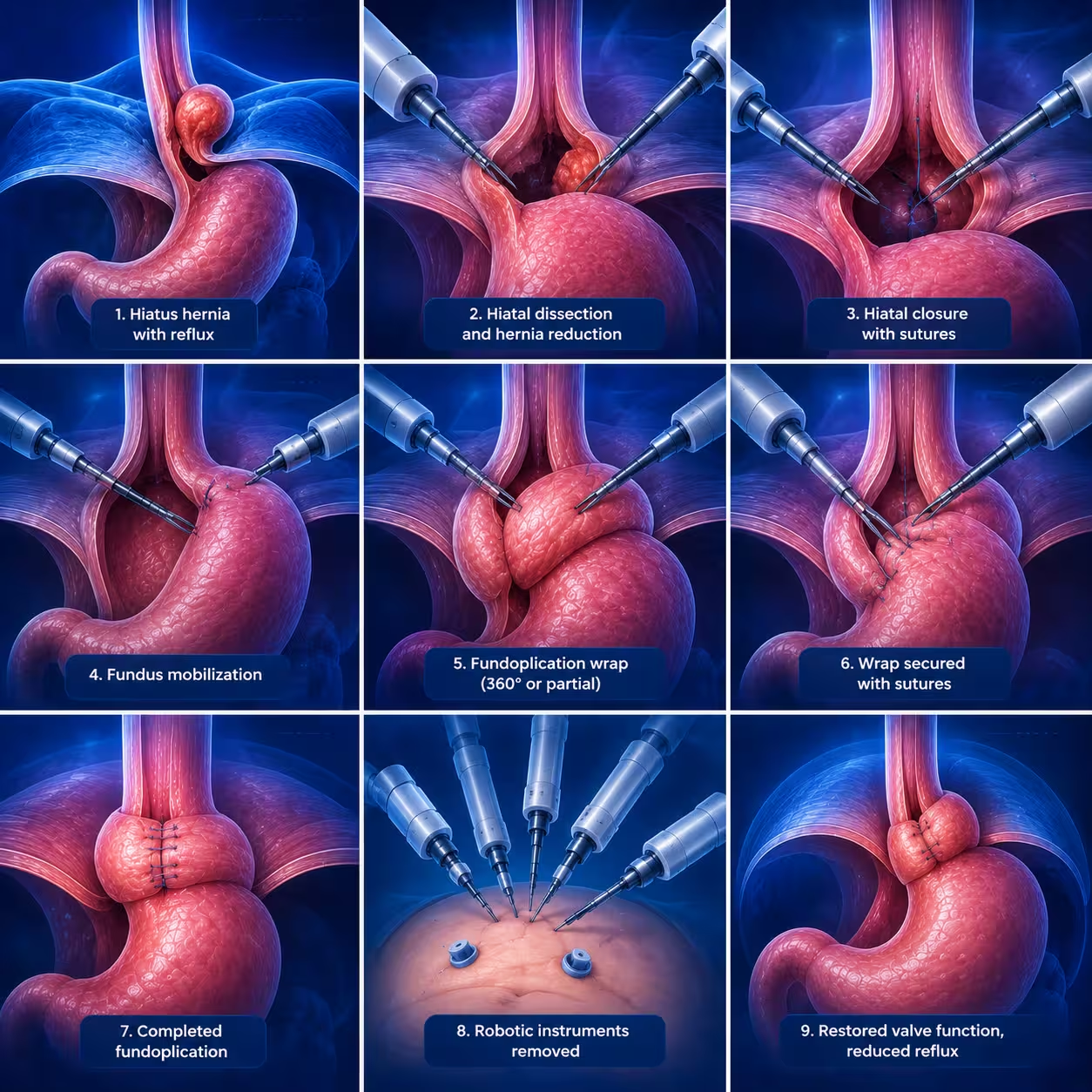
The patient receives general anesthesia before the surgical procedure.
The surgeon creates small cuts in the abdomen.
Robotics arms and a high-quality camera are placed through those cuts.
The surgeon uses robotic arms to perform surgery with increased accuracy and maneuverability.
The upper portion of the stomach is then folded over the esophagus.
A hiatus hernia repair might be done along with it if needed.
The incisions are sealed following the operation.
Dr. Rajesh is an experienced surgeon in Gurgaon specializing in robotic and laparoscopic approaches to the treatment of GERD. He has 13 years of experience in robotic surgeries and other minimally invasive procedures. These procedures resulted in less pain, less scarring, and even quicker recovery for individuals undergoing fundoplication and hiatus hernia repair.
Dr. Rajesh makes his patients' health his number 1 priority. Due to his focus on individualized treatment and thorough post-operative care to ensure a faster recovery, many individuals undergoing these surgeries and suffering from acid reflux have had longer-lasting relief.
With his extensive knowledge and approaches to treatment, robotic fundoplication in Gurgaon has become an easier decision for many.
Get answers to common questions about robotic fundoplication surgery, GERD treatment, recovery, safety, dietary changes, and treatment costs.
Robotic fundoplication surgery can help correct issues with the sphincter between the stomach and the esophagus, or the food pipe, that can cause acid reflux and GORD (gastroesophageal reflux disease). This surgery uses technology that assists robots in doing the surgery in a minimally invasive way.
Robotic GERD surgery is safe and successful if the surgeon has the right experience. When compared to surgery performed the traditional way, robotic GERD surgery has the added benefit of being more precise, less invasive, and faster in terms of recovery time.
Depending on the severity of the hiatus hernia and GORD, and how complex the surgery may be, robotic fundoplication surgery may take between 1.5 and 3 hours.
Recovery time is about 1-2 weeks after surgery; however, the diet and the body can take a few weeks to heal from the surgery.
Yes, by correcting hiatus hernia and decreasing acid reflux, robotic fundoplication surgery can help treat the symptoms caused by GORD in a large number of patients.
Robotic surgery may be a better option in regard to laparoscopic surgery because robotic surgery has more accuracy, gives the surgeon more of a range of movement, and gives the surgeon better views of the surgery which can help with complex GERD and hiatus hernia cases.
Following surgery, a patient’s diet is usually restricted to lighter and softer food for a few additional weeks after surgery before the patient may return to a more normal diet.
In Gurgaon, the price of robotic fundoplication depends on the hospital, the surgeon, the patient, the procedure, and other factors.
Discover the experiences of patients who trusted Dr. Rajesh for advanced surgical care, minimally invasive procedures, and faster recovery outcomes.
Consult Dr. Rajesh, an experienced robotic hernia surgeon in Gurgaon, and receive advanced treatment with faster recovery, minimal pain, and long-lasting results.