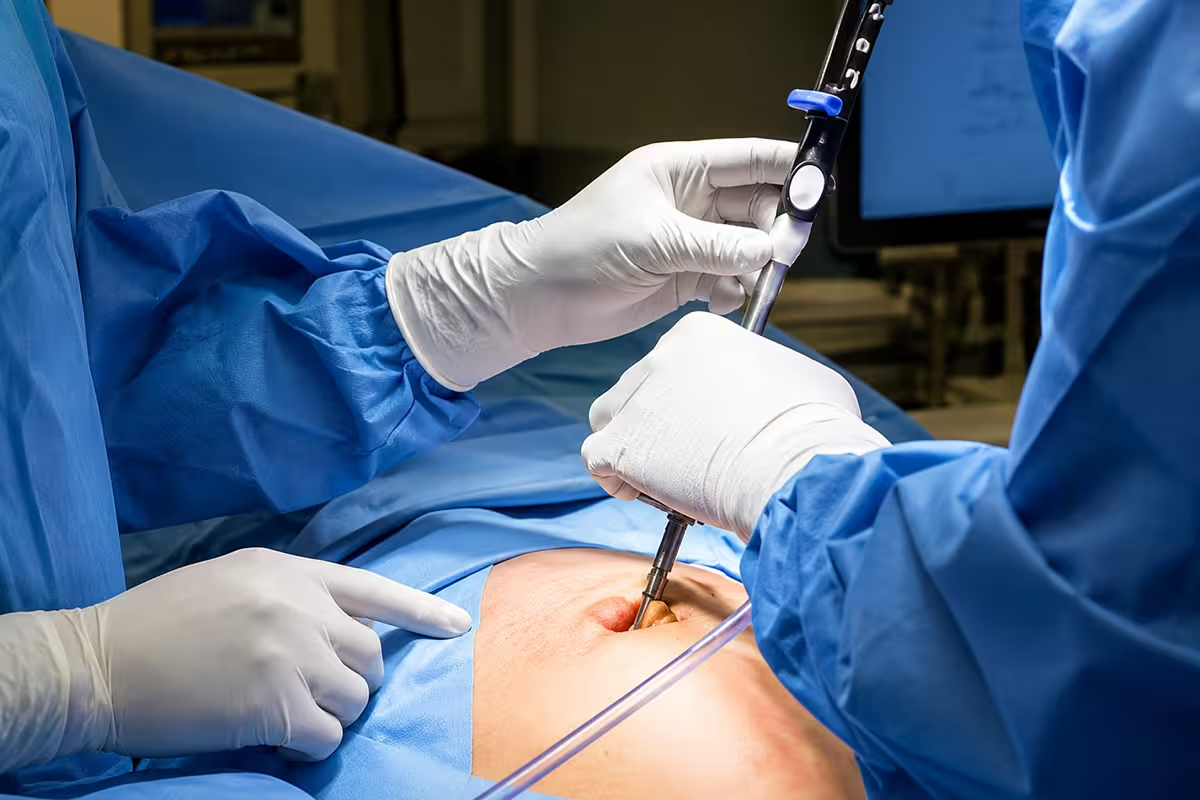
If you want to find the top robotic appendix surgery service in Gurgaon that provides safe and modern treatment for appendicitis, then Dr. Rajesh offers robotic-assisted appendix surgery, which provides better results with less pain, smaller scars, and a quicker healing process. The surgical method of robotic appendix surgery enables doctors to perform appendix removal through a small incision, which results in reduced hospital time and decreased pain after the operation.
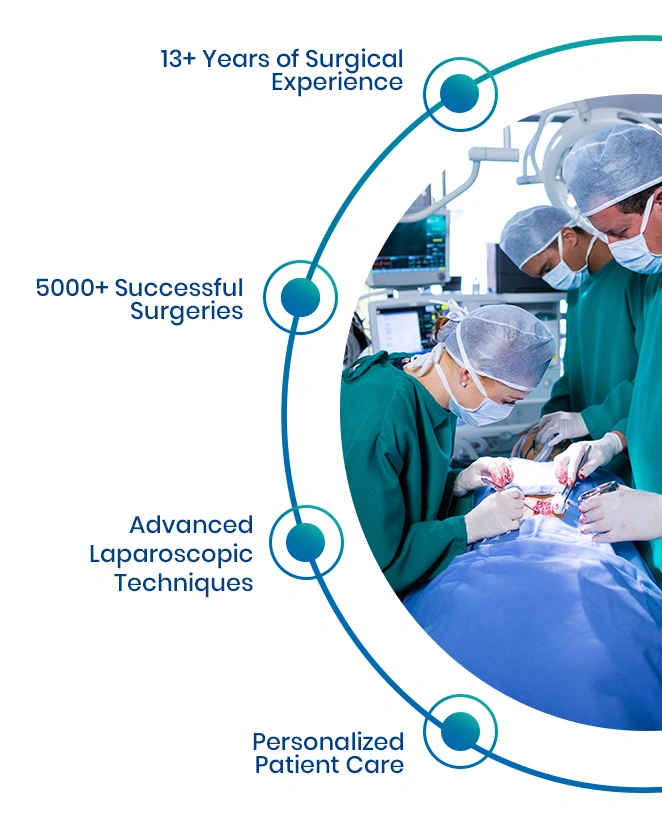
Dr. Rajesh has 13 years of minimally invasive surgery experience and is an Advanced Laparoscopic and Robotic Surgeon. He is an expert in robotic surgery of the appendix and has treated cases of appendicitis, perforated appendix, gall bladder and gastrointestinal disorders, as well as hernia cases. He is also an expert in robotic surgery for hernia and GE reflux, as well as surgery for obesity and advanced laparoscopic surgery.
Dr. Rajesh has performed numerous minimally invasive surgeries at an excellent patient level and with even better recovery times. Having an excellent sense of precision and a commitment to patient care, Dr. Rajesh emphasizes the importance of taking a safe approach to treatment with an emphasis on the prevention of complications.
Dr. Rajesh is also an active researcher and has presented his work at both national and international medical conferences as an invited speaker.
Learn More About Doctor
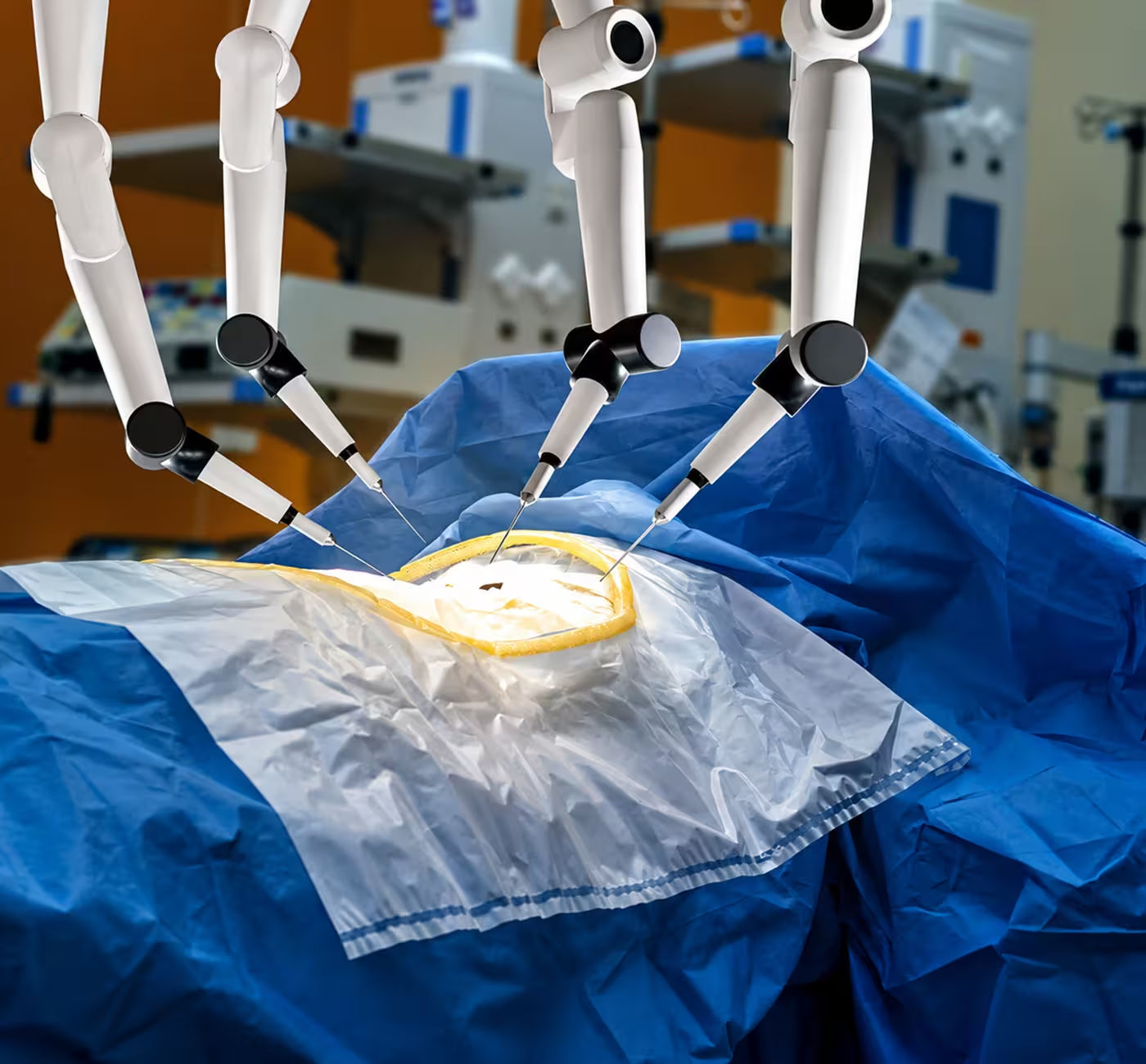
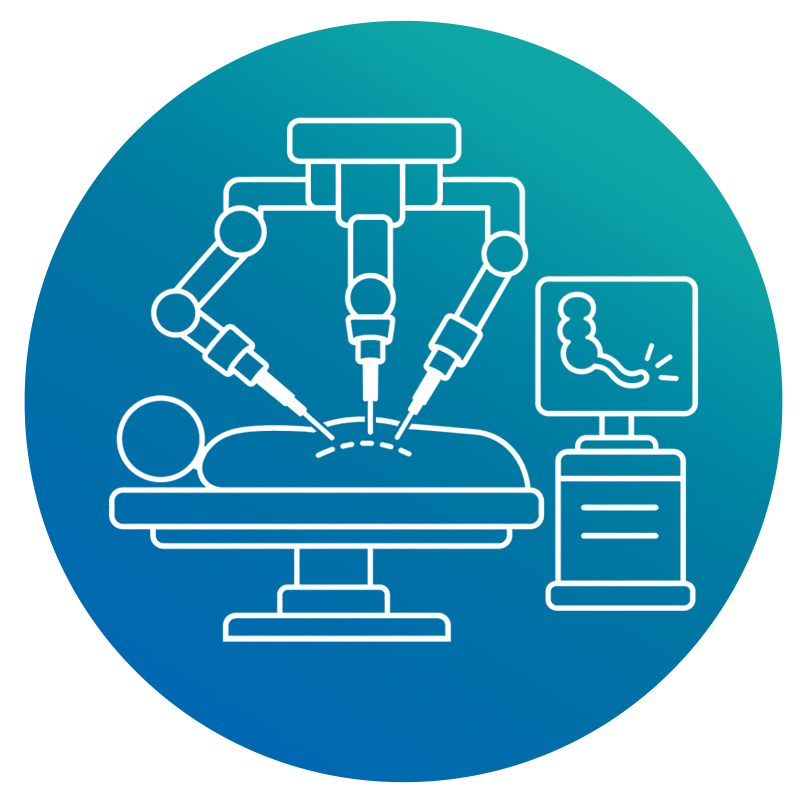
Robotic appendix surgery is a surgery done using robotics and small cameras to remove an inflamed appendix, which is an infection of the appendix, and is a noninvasive procedure.
When using robotics in surgical procedures, the surgeon is able to control the movements of the apparatus and instruments and show a greater precision of what he/she is doing.
An advantage compared to conventional surgery is that it reduces the amount of blood lost, minimizes the scarring and the effect of the pain, it lessens the chance of an infection, and the recovery is shorter as well. This procedure is quickly being regarded as a safe and advanced approach to appendicitis.
Book ConsultationAppendicitis is often associated with pain that begins around the belly button and migrates to the right lower abdomen. Pain exacerbates with coughing and other activities.
Inflammation and infection of the appendix cause most people to have nausea, vomiting, decreased appetite, and abdominal discomfort.
As the infection of the appendix advances, it can also present with low to high-grade fever and weakness.
Other people can develop abdominal distention and abdominal swelling with constipation and/or the inability to defecate, especially if appendicitis is complicated.
Surgery using robotics is suggested when an appendix becomes inflamed, resulting in severe cases of abdominal pain, fever, nausea, vomiting, and worsened digestive symptoms.
It is also recommended in complicated and emergency cases where only a surgical intervention, such as the removal of the appendix, can prevent the spread of peritonitis.
Patients with advanced appendicitis and patients with recurrent abdominal pain can find relief with surgery using robotics since it is less painful, results in less and smaller scarring, and a shorter recovery period compared to surgery using an open approach.
Due to tiny cuts made, this type of surgery has the best outcomes in terms of both scarring and blood loss while improving infection rates.
Robotic surgery often results in far less pain post-operatively due to less damage to surrounding tissue.
Robotic surgeries are more effective, requiring less time in the hospital, and lessening the impact of the surgery on your daily life.
Appendix surgery has never been safer and more effective due to the capabilities of the Robotic Surgical System, allowing a greater range of movement and visualization to the surgeon.
General anesthesia is administered to the patient.
Tiny slits are made in the abdominal cavity.
Robotic apparatuses and a clarity amplifier are introduced.
The physician arms his control halt with made operative robotic arms.
The inflamed appendix is cautiously extracted.
Wounds are healed using suturing or bonding.
During post-surgery monitoring, and depending on the state of recovery, the patient is discharged.
Dr. Rajesh, a robotic surgeon based in Gurgaon, has years of experience in advanced laparoscopic and robotic gastrointestinal surgery. With more than 13 years of experience in leading robotic appendix surgery. Patients experience greatly reduced recovery times and minimal pain and scarring. He has performed thousands of minimally invasive and emergency surgical procedures with excellent results.
Exceptional post-operative and pre-operative care rales assurance to Dr. Rajesh’s patients.
Robotic Surgery is one of the most advanced and preferred ways of performing surgery. Dr. Rajesh is considered the best for robotic appendix surgery and is greatly preferred in Gurgaon.
Get answers to common questions about robotic appendix surgery, recovery, safety, hospital stay, complications, and treatment costs.
The assessment of robotic appendix surgery establishes its safety and effectiveness when conducted by surgeons who possess sufficient experience in this procedure. The procedure delivers improved surgical accuracy through its development of smaller surgical sites which result in decreased discomfort and expedited recovery times when compared to conventional surgical methods.
The surgical technique of robotic surgery offers better visual access to the surgical area and enables surgeons to operate with greater precision through its advanced instrument systems which allow for unrestricted movement. This surgical method shows advantages in solving challenging appendiceal procedures.
The duration of robotic appendix surgery ranges from 45 minutes to 1.5 hours because the length of surgery depends on three factors which are appendicitis severity, infection presence and surgical procedure complexity.
The majority of patients achieve full recovery from robotic appendix surgery within a period of 1 to 2 weeks after their operation. The duration of recovery time depends on three factors which include the patient's health status, the intensity of their infection and the post-operative treatment they receive.
Robotic appendix surgery causes less pain than open surgery because it uses smaller incisions which result in less damage to body tissues during the operation.
Most patients leave the hospital 1 to 2 days after undergoing robotic appendix surgery except for those with severe or ruptured appendicitis who need extended hospital time for observation.
Untreated appendicitis leads to appendix rupture which produces infection that creates abscesses and abdominal complications that require emergency surgery because they threaten life.
The expenses associated with robotic appendix surgery in Gurgaon depend on multiple factors which include hospital fees, surgeon skills, patient health status and the degree of complexity.
Discover the experiences of patients who trusted Dr. Rajesh for advanced surgical care, minimally invasive procedures, and faster recovery outcomes.
Consult Dr. Rajesh, an experienced robotic hernia surgeon in Gurgaon, and receive advanced treatment with faster recovery, minimal pain, and long-lasting results.